

Open Access Strategies
• Gold: First publication in an open-access journal that includes peer review. Authors may pay article processing charges (APCs), usually covered by institutional or project funds.
• Diamond: Like Gold, but without any costs for authors or readers.
• Green: Secondary publication or self-archiving of scientific work on personal or institutional websites. A publicly accessible version of the previously published article is made available.
• Bronze: Articles are freely available on publisher websites but without an open license. There are no reuse rights or guarantees for long-term access.
• Hybrid publishing: Publication in a subscription-based journal where authors can make their article open access by paying an additional APC.
The BUA has adopted a comprehensive set of priorities to implement its Open Science Mission Statement. You can read it here.
A Research Service for Berlin: How the Alliance Center for Electron Microscopy Is Putting “Sharing Resources” Into Practice
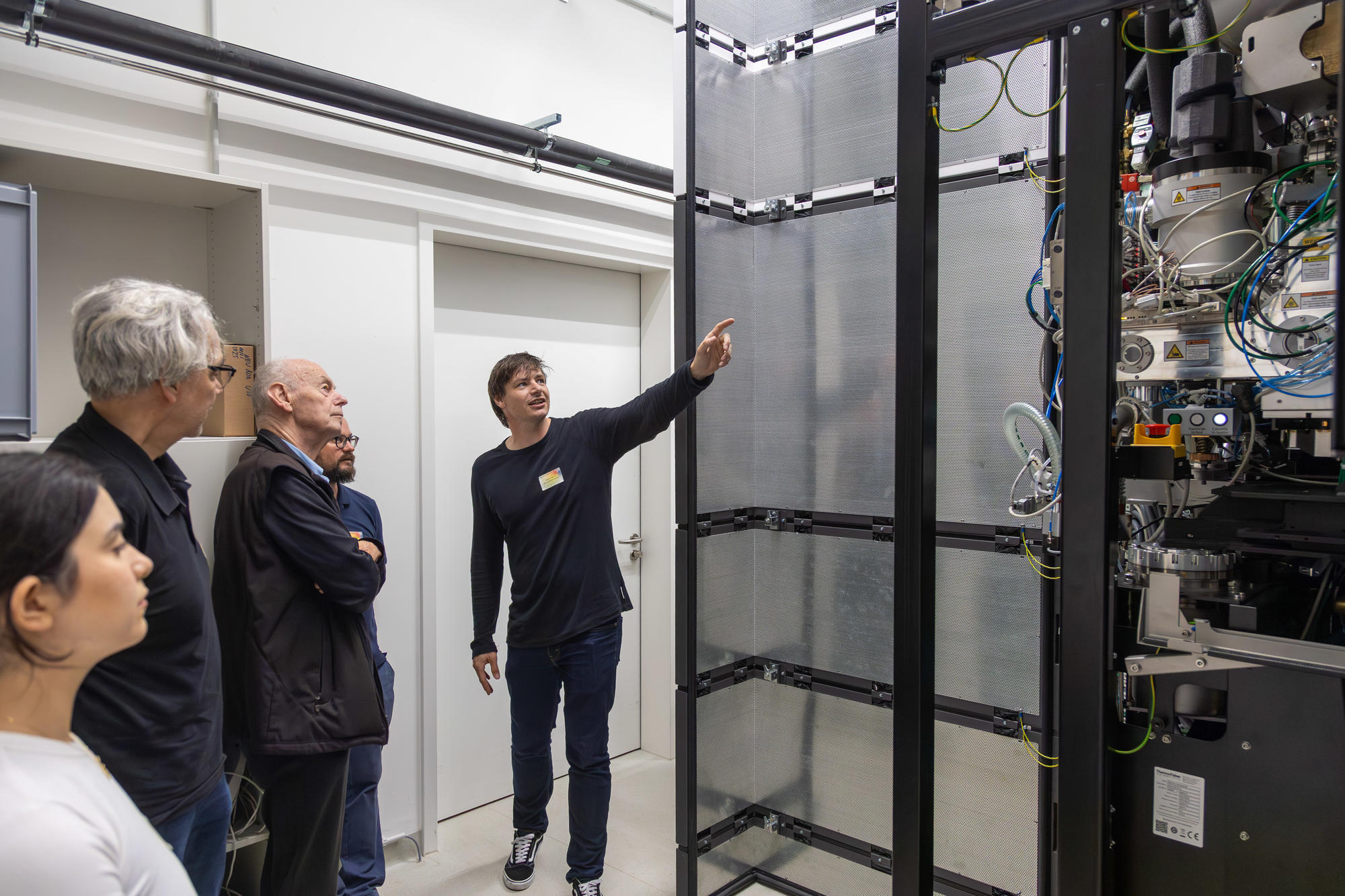
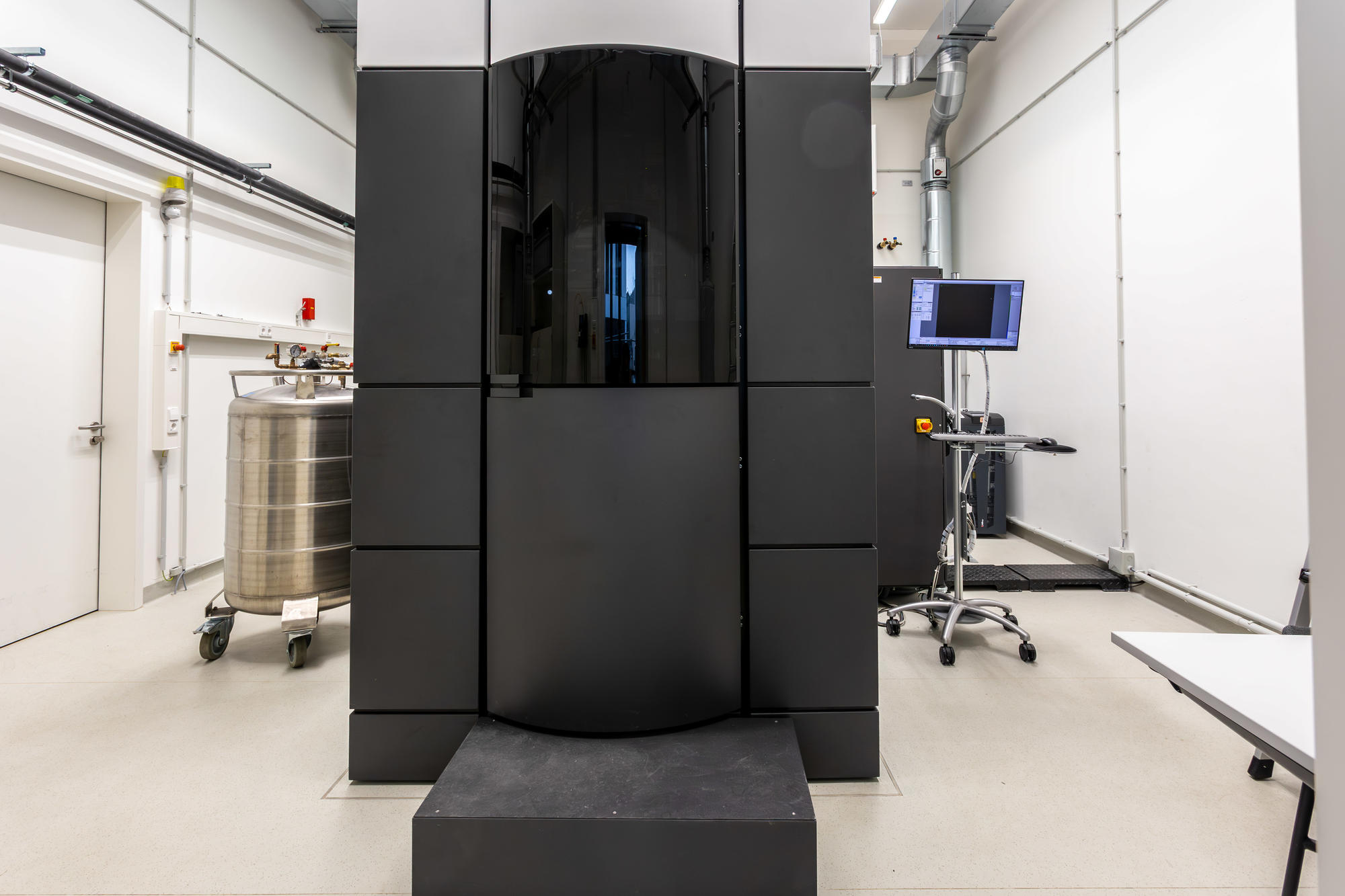
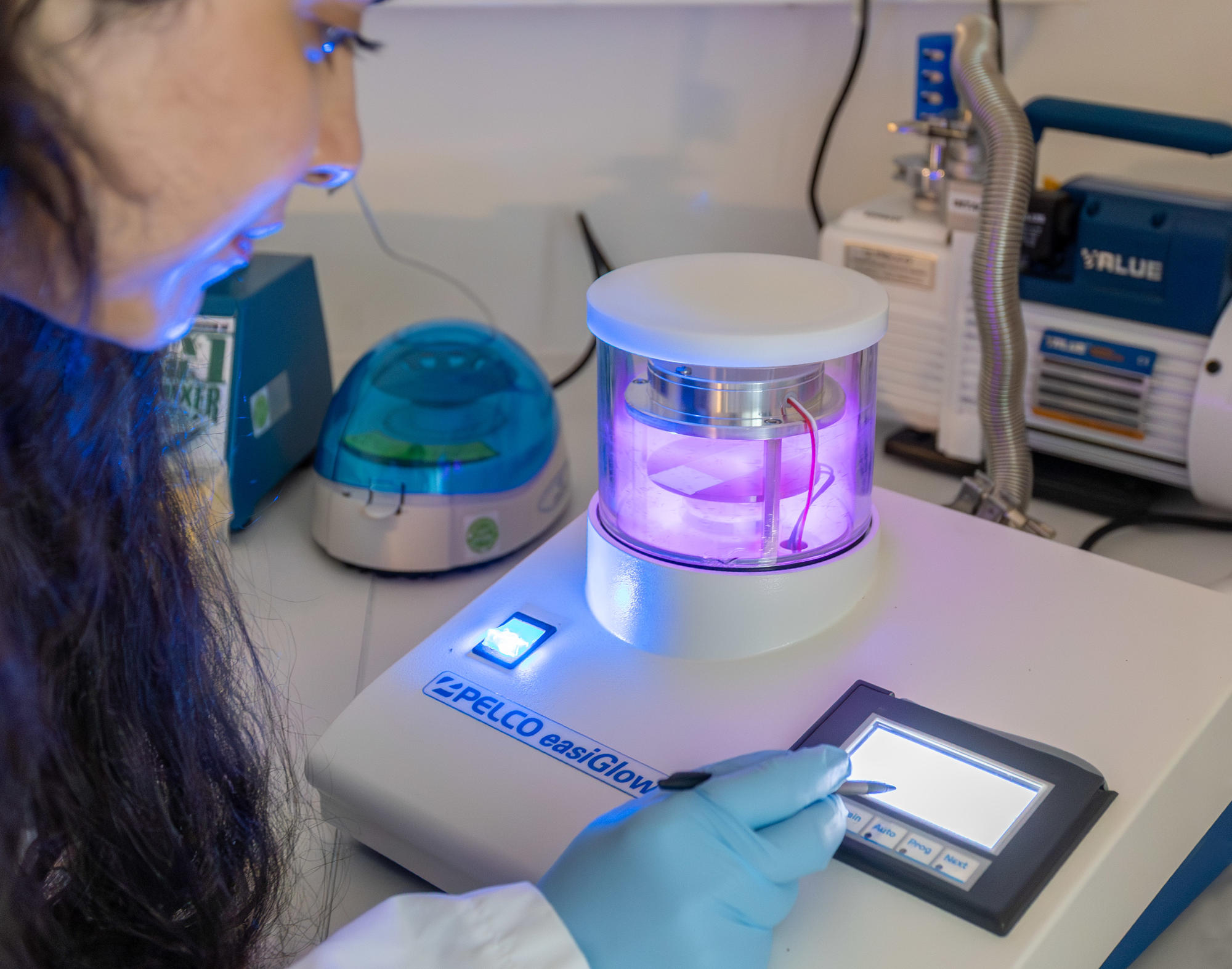
The Alliance Center for Electron Microscopy (ACEM) of the Berlin University Alliance (BUA) demonstrates how shared infrastructure can strengthen research across institutions in the German capital. A joint, virtual facility of Freie Universität Berlin, Humboldt-Universität zu Berlin, Technische Universität Berlin, and Charité – Universitätsmedizin Berlin, ACEM promotes collaboration and knowledge exchange among the partners while providing unified access to electron microscopy resources. All BUA researchers can benefit from its services.
“What makes ACEM truly special is its interdisciplinarity,” says ACEM spokesperson Prof. Matthias Ochs. “It brings together traditionally separate worlds within electron microscopy – the physical and materials sciences on one hand, and the life sciences on the other.” This combination creates a unique spectrum of expertise, instruments, and methods — perfectly in line with the BUA’s motto “Crossing Boundaries.”
A particular focus, Ochs emphasizes, lies in supporting early-career researchers. “Even those who do not yet have their own funding can apply for small seed grants that allow them to use our facilities with minimal administrative effort.”
ACEM continues to expand and refine the shared infrastructure. While the first phase centered on opening existing institutional resources to the entire BUA community (Sharing Resources), the next phase will focus on jointly acquiring new infrastructure (Joint Resources).
“Rather than each of the four partners applying separately for the same type of equipment – which can lead to competition – we coordinate to see whether one shared device could meet the collective need,” explains Ochs. “This approach is not only cost-effective but also resource-efficient and sustainable.”
A major step toward this goal has already been taken with the establishment of a new Core Facility – centralized service units within the Alliance that provide access to specialized technologies and expertise for all partners. Beginning in early 2026, BUA researchers will gain access to state-of-the-art mass spectrometry technology for the first time. This will enable scientists from Berlin’s NeuroCure and ImmunoPreCept Clusters of Excellence to analyze proteins with unprecedented speed and precision, paving the way for breakthroughs in areas such as personalized medicine.
Read the full press release.
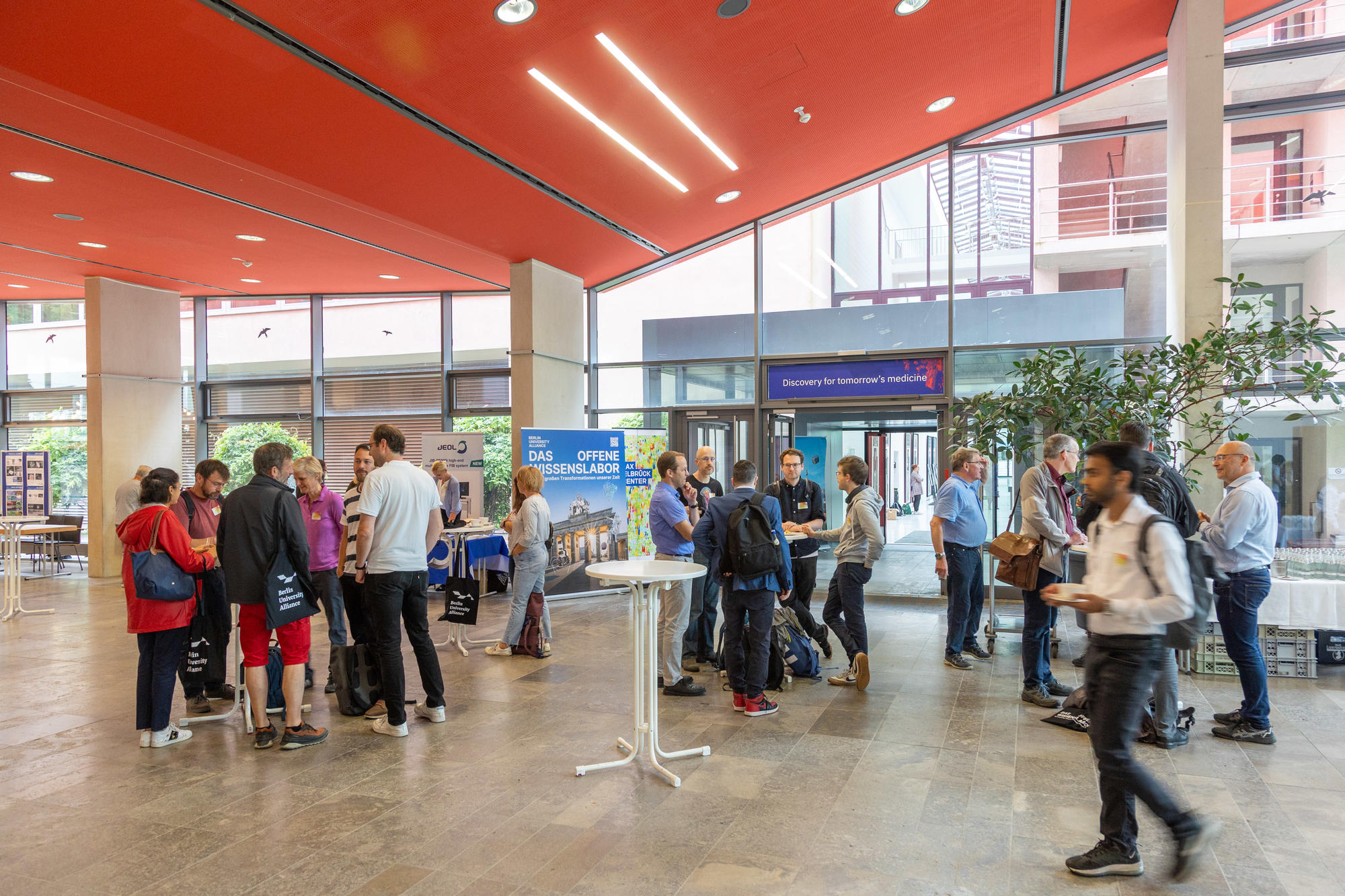
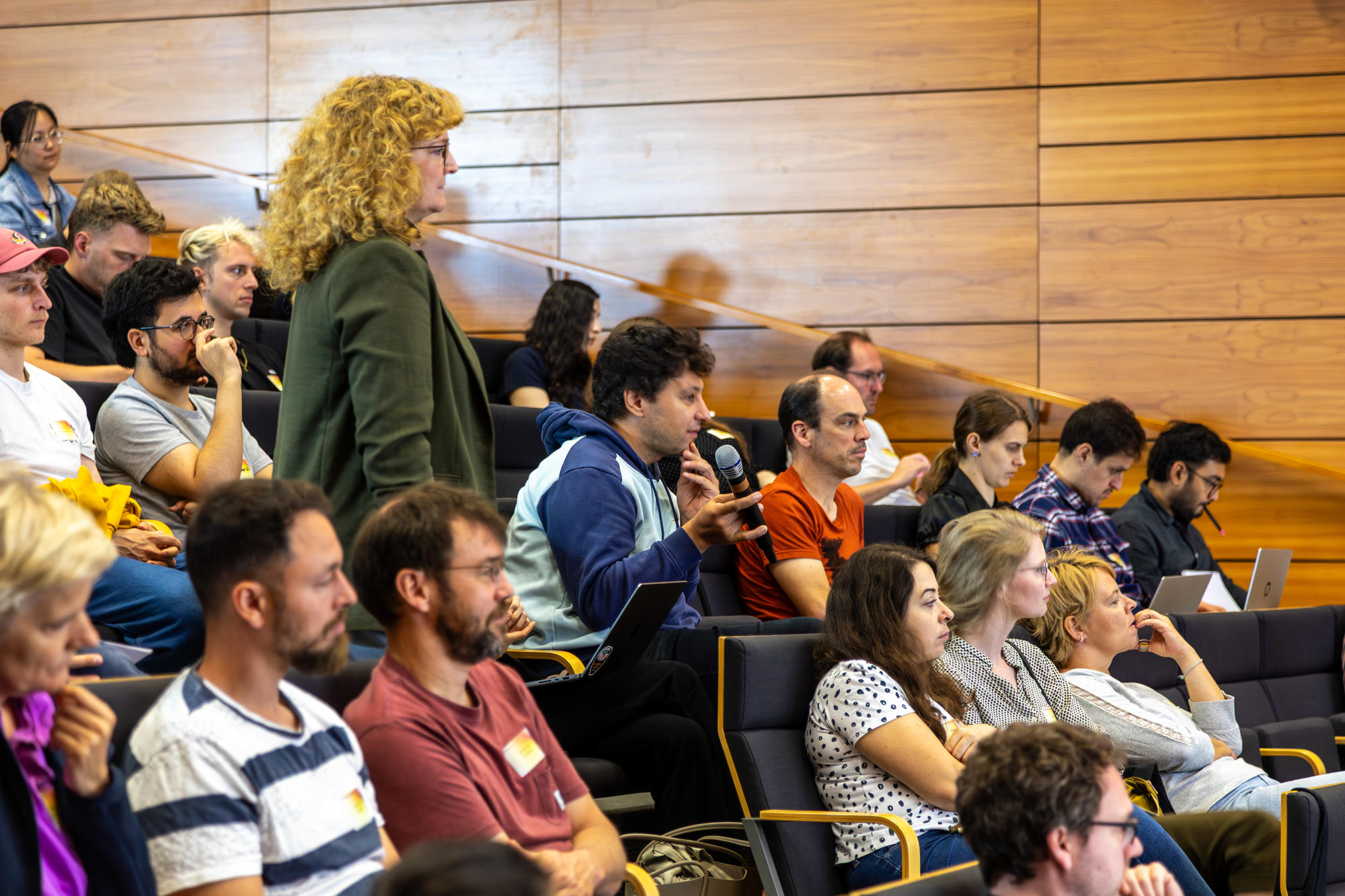
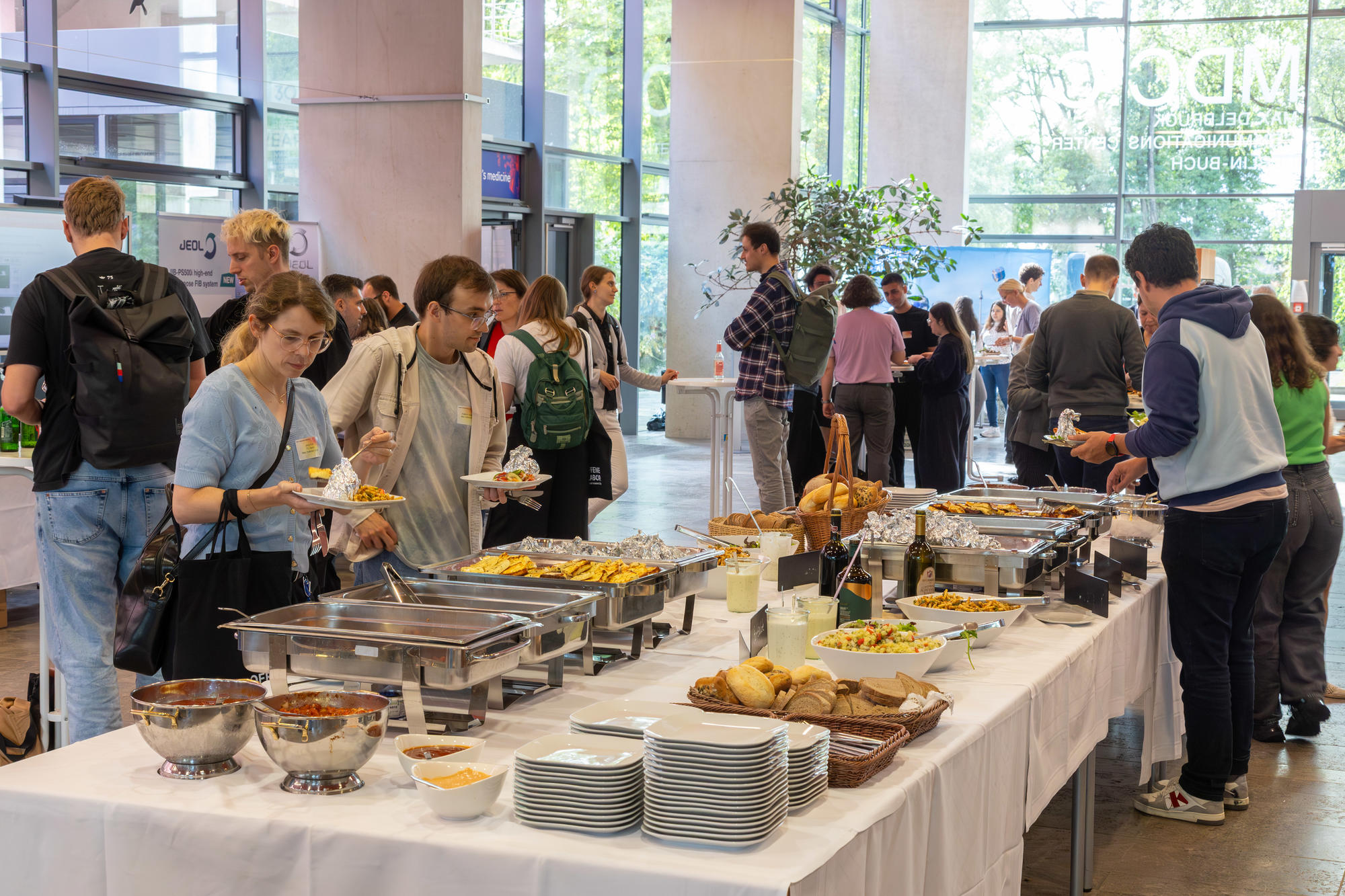
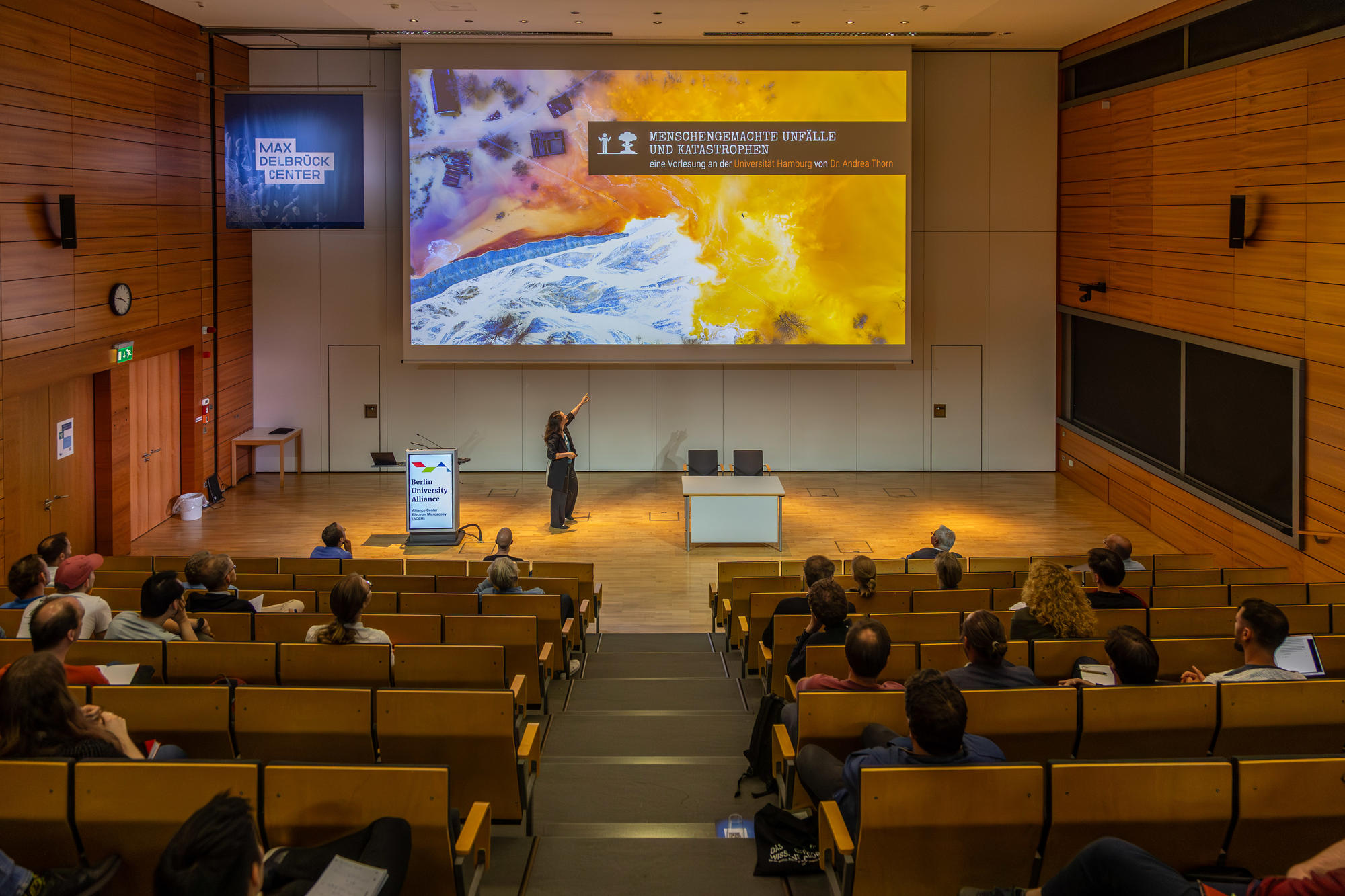
Impressions from the ACEM Symposium, July 22 to 23, 2025
Sharing Resources, Sharing Knowlegde: Open Access

Engage with Fungi—the first monograph from BerlinUP. The book explores how the drivers of creativity—science, art, and society—will converge in the future and what we can learn from fungi.
The BUA goal of “Sharing Resources” extends far beyond the shared use of physical infrastructure. Alongside laboratories, research equipment, and technical expertise, the concept also includes the sharing of intellectual resources – such as research data, academic publications, and publishing platforms. Through initiatives like Berlin Universities Publishing (Berlin UP), BUA promotes open access to knowledge and supports researchers in publishing their results transparently and sustainably. In this way, shared knowledge becomes a driving force for scientific innovation and collaboration across Berlin.
Dr. Andreas Brandtner is not only an advocate of the open-access movement – he is actively shaping it. Supported by the Berlin University Alliance (BUA), Brandtner, until 2024 Director of the University Library at Freie Universität Berlin, joined forces with his counterparts at Humboldt-Universität zu Berlin, Technische Universität Berlin, and Charité – Universitätsmedizin Berlin to establish Berlin Universities Publishing (BerlinUP), a university press dedicated to open-access publishing. Since April 2024, Brandtner leads the University Library of the University of Vienna.
Today, the publisher has already launched successfully, with more than 20 books and 12 journals representing all four institutions. When asked which publication he holds particularly dear, Brandtner’s answer comes without hesitation: “It’s the very first book: Engage with Fungi by Vera Meyer and Sven Peiffer. It’s interdisciplinary, covers a fascinating and humorous topic, and truly embodies the spirit of Open Science.”
Strong Support from the Research Community
“Here in Berlin, we began thinking about open access very early on,” says Brandtner. A key milestone was the Berlin Declaration on Open Access to Knowledge in the Sciences and Humanities, signed in 2003 by leading German and international research organizations. In 2015, the State of Berlin adopted its own Open Access Strategy, aiming to make scholarly publications, research data, and cultural heritage data freely accessible and reusable. Shortly afterward, the Open Access Office Berlin was established at Freie Universität Berlin to support Berlin’s academic and cultural institutions in implementing this strategy.
Building on these efforts, the Berlin UP project was launched in 2019 – initially as a joint publishing platform of the four BUA partners – with funding from the Excellence Strategy. “That initial support was crucial – we couldn’t have realized this project without it,” Brandtner emphasizes.
The funding enabled all four university libraries to hire staff and establish the structures needed for a future open-access press. The concept quickly resonated with the research community: “Researchers from all four BUA institutions saw the importance of creating new publication pathways and showed great enthusiasm for our plans,” Brandtner recalls. He also observes a broader trend in academia: “There’s a growing desire to bring publishing back into the academic sphere.”
How BerlinUP differs from commercial publishers, what the Diamond Open Access model entails, and how the press has evolved since its official founding in 2023, tells BerlinUP spokesperson Jürgen Christof in an interview. You can find it here.
“Research Journals Belong in the Hands of Research Institutions”

Vera Meyer is the Open Access Officer at TU Berlin and has been committed to free access to research literature for many years.
Image Credit: Martin Weinhold
Ensuring that scientific data and literature are freely accessible and usable requires not only the right infrastructure, but also researchers like Vera Meyer, who publish their work in open-access formats. Vera Meyer is a biotechnologist and Professor of Applied and Molecular Microbiology at Technische Universität Berlin (TU Berlin). Since 2016, she has served as the university’s Open Access Officer, advocating for scientific publications to be freely available to all.
Prof. Vera Meyer, why do we need free and open access to scientific literature?
There are many good reasons. One is that our research is funded by society through taxpayers’ money. Therefore, the resulting knowledge should also be freely available to the public. This doesn’t mean sharing patents or proprietary industrial data – but when a decision is made to publish data within the scientific community, I advocate that everyone outside of the scientific community should also be able to read it. These publications should be accessible worldwide, whether on a train, at home, on an intranet, or in a café.
Another reason is the next generation of scientists. Students today have grown up with the Internet and get most of their important information online. If it can’t be found there, it might as well not exist. Open Access is therefore crucial for teaching, allowing current research results to be integrated into learning and easily understood by students.
You have been Open Access Officer at TU Berlin since 2016. What milestones has the movement achieved so far?
Open Access is now firmly established – a major milestone. It took a few years to get there, and initially we had to raise awareness and convince researchers of the value of publishing openly and freely.
How did you manage to persuade researchers?
Every discipline has established publication routes – specific journals or publishers. Prestigious journals like Nature or Science are often seen as a mark of recognition. But we need to reconsider that. The journal itself isn’t the key quality metric; the article is. Is it cited frequently? Does it influence future research in the field? Initially, our goal was simply to make colleagues aware that other publication routes exist and that they are worth trying.
In 2016, I became Open Access Officer at TU Berlin. We went through all faculties, talking with students, international fellows, and various departments to explain why Open Access is important. At the same time, political developments helped: the EU, the German Research Foundation (DFG), the Berlin Senate, and other institutions introduced funding programs that required Open Access publications. That support was in valuable.
However, we are now observing a continuous rise in costs for Open Access publishing in commercial journals, which is concerning.
What are common concerns about Open Access?
Many researchers fear, without reason, that their academic success might suffer – but in my experience, it does not. In some fields, Open Access journals are still scarce, and some researchers feel unable to start their own journal. Even then, publications can be made openly accessible through university repositories, which make works available as secondary publications without access restrictions up to twelve months after initial release. For example, TU Berlin’s repository DepositOnce already holds more than 5,000 such secondary publications.
How does Open Access impact research?
Data show that Open Access papers are cited more often and more widely used in subsequent research because they are easier to access. This accelerates the dissemination of knowledge both within science and society. Being part of an accessible community is crucial – when information is easy to find, research and learning progress faster. Ideally, we would eventually reach a 100% Open Access rate.
What steps are still needed to achieve this?
Scientific publishing relies on the work of countless researchers. Writing, peer reviewing, and editing are typically unpaid, while publishers earn the bulk of the revenue. Hybrid journals allow authors to make their papers open access for several thousand euros – a market-driven model that should be questioned. We need more focus on supporting free repositories and journals. The Berlin Universities Publishing (BerlinUP) press, initiated with support from the Berlin University Alliance, is a step in the right direction. University presses have existed for centuries, with the aim of distributing scholarly knowledge to society and other universities. We need to return to that model: research journals belong in the hands of research institutions, not corporations.
You mentioned BerlinUP. The first book published there was yours. Why did you choose this route?
Yes, my book Engage with Fungi, published in 2022, was the first release. Part of my research is closely connected to Citizen Science. Fungal biotechnology is an exciting field with the potential to fundamentally transform markets and production processes – imagine buildings made from fungi or sustainably produced clothing. Innovation requires combining society, science, and the arts. None of us can understand or change the world alone; we can only do it together.
The book targets actors from many disciplines and backgrounds. The new press is ideal for this audience and for connecting researchers across the four BUA institutions. It also sends a clear signal: new university presses exist, and they should be recognized as central publication channels. The first edition of the book is already sold out, and a second edition is in print – showing that this publication route can be highly successful.