
How Research Makes an Impact: A Look Back at the “Research Ecosystems for Societal Impact” Workshop Hosted by BUA and the University Alliance Ruhr at GAIN26
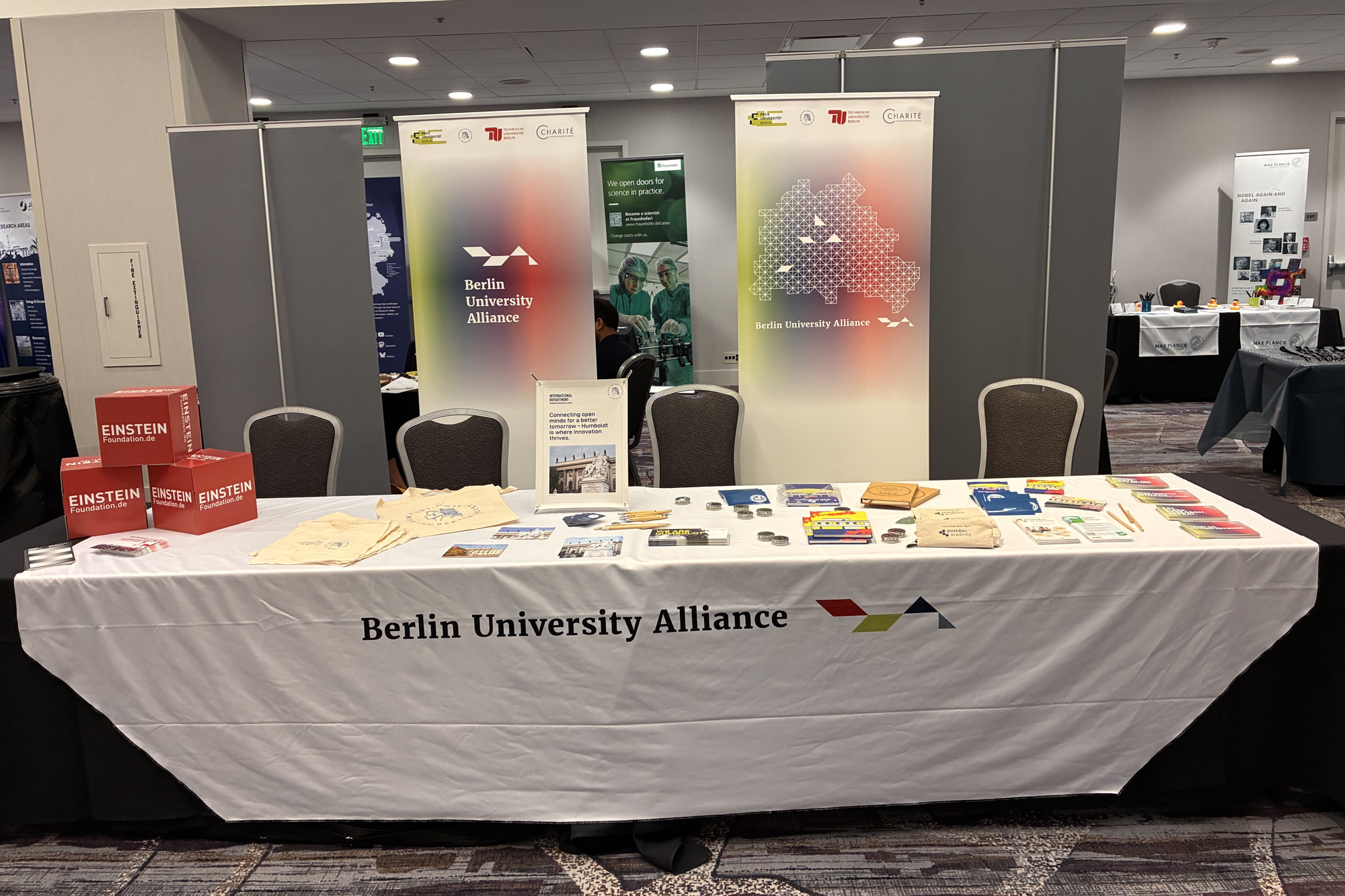
How do universities succeed in turning scientific knowledge into tangible societal benefits? Together, we’re better than alone. This is because the ecosystem surrounding university alliances is particularly well-suited to generating societal impact—in patents and startups, as well as in politics, business, public life, and culture. This was the focus of the workshop “Research Ecosystems for Societal Impact: Science Transfer for Society,” organized by Berlin University Alliance (BUA) in collaboration with the University Alliance Ruhr as part of GAIN 2026.
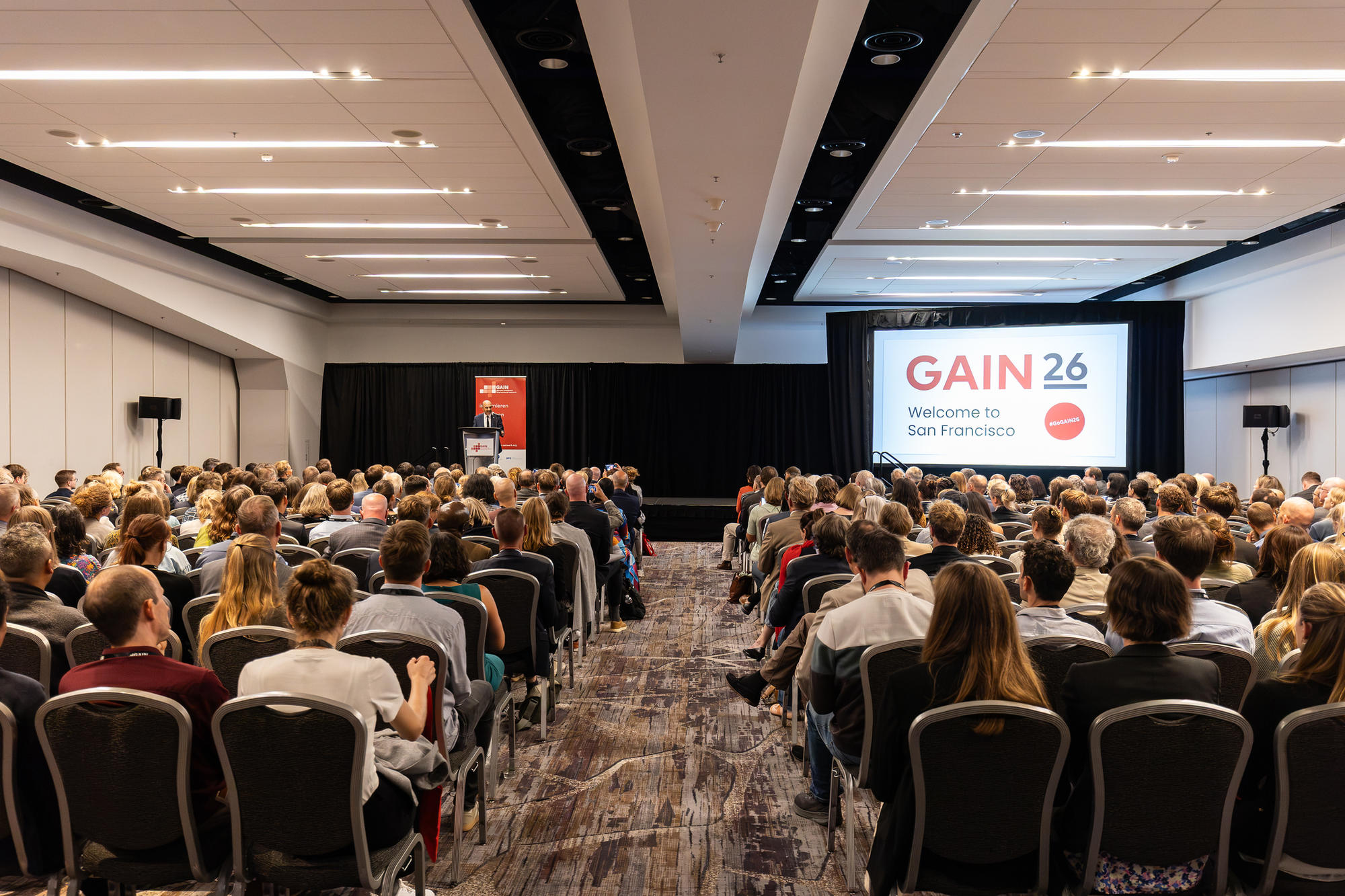
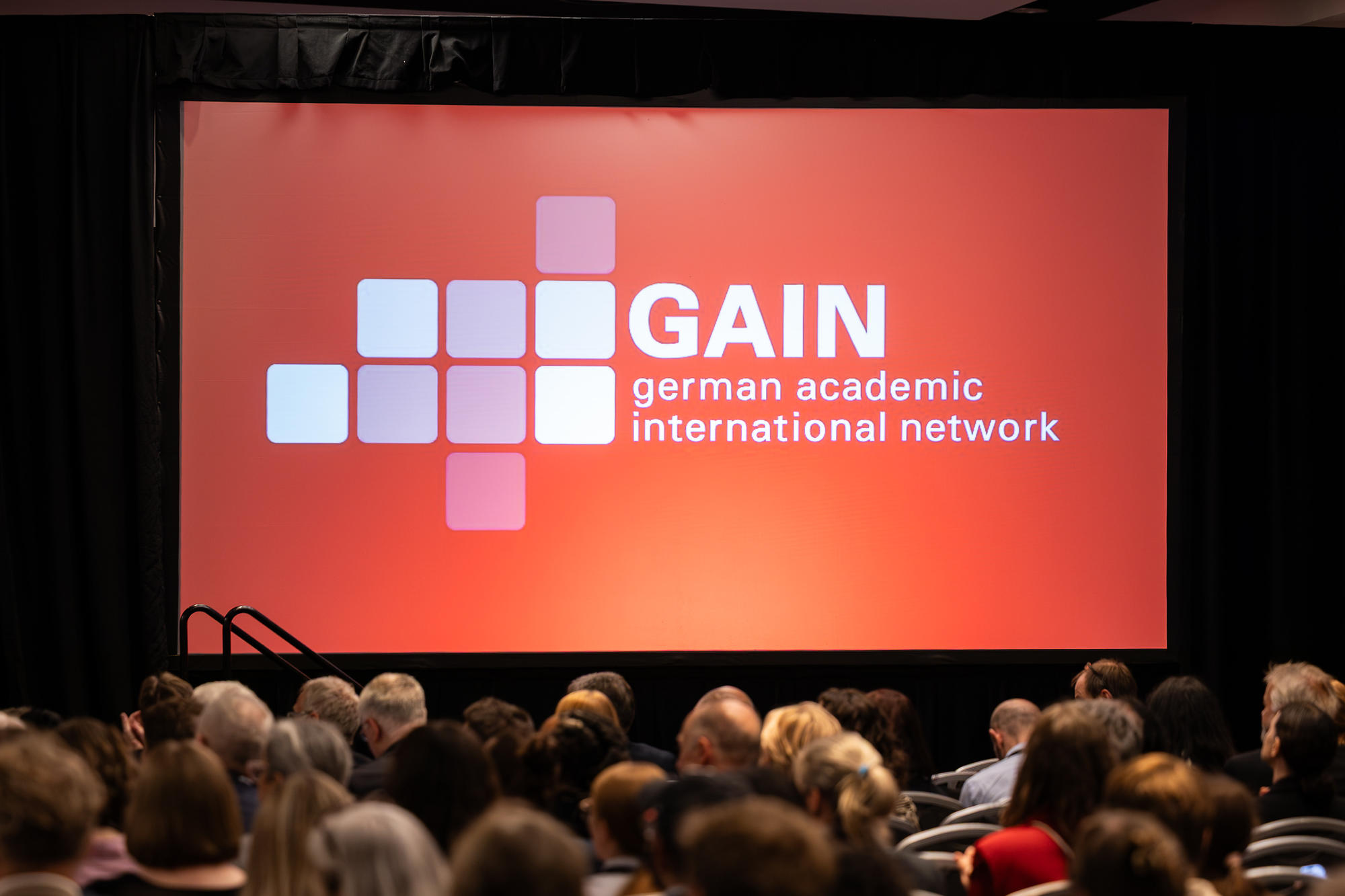
The annual conference of the German Academic International Network (GAIN) once again brought together researchers with universities, non-university research institutions, funding organizations, policymakers, and other stakeholders in the German research landscape. In addition to information about career and research opportunities in Germany, the event focused on personal exchange: the Talent Fair, workshops, panels, and discussions provided opportunities to network and explore concrete prospects for a research career in Germany.
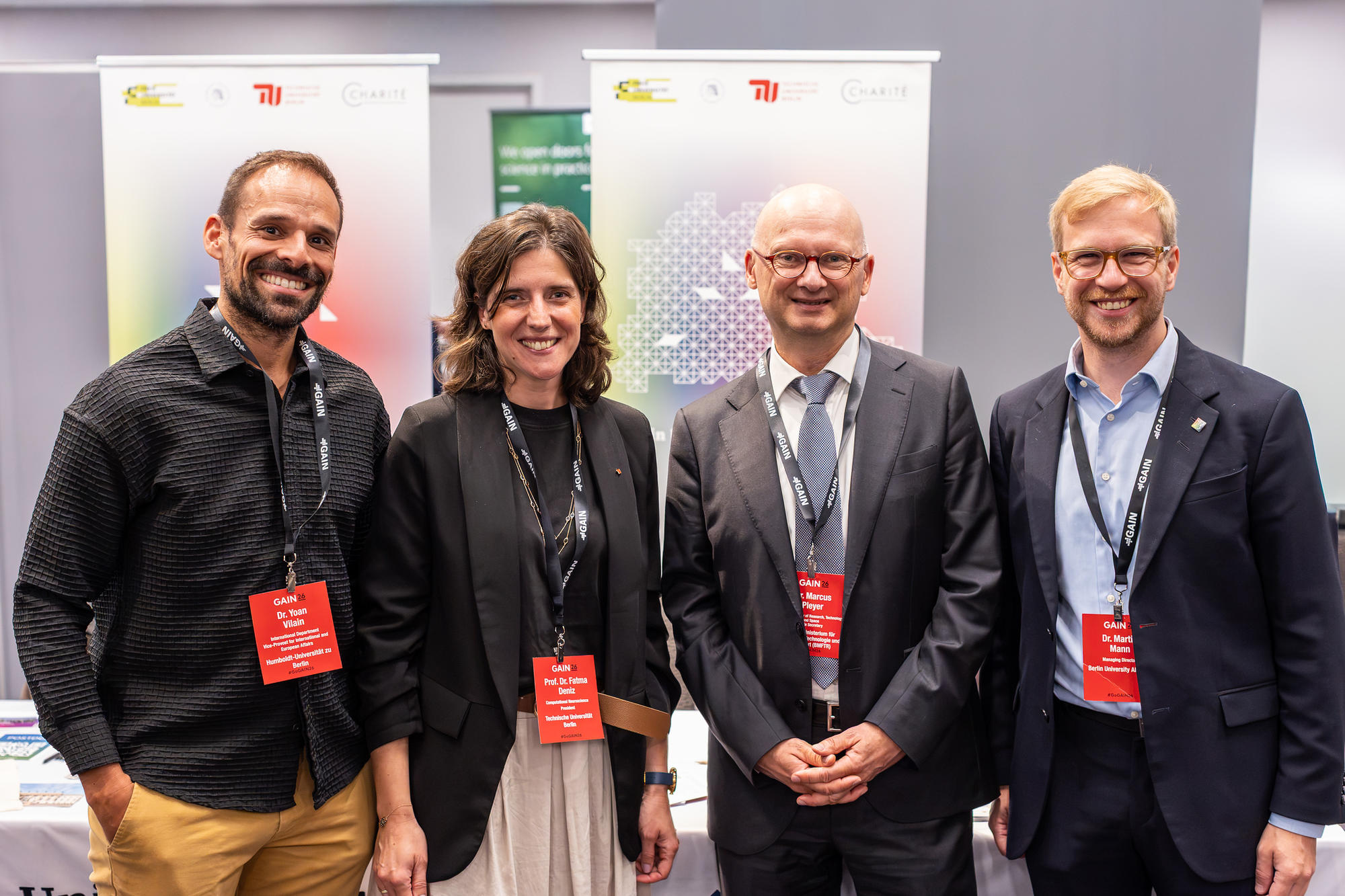
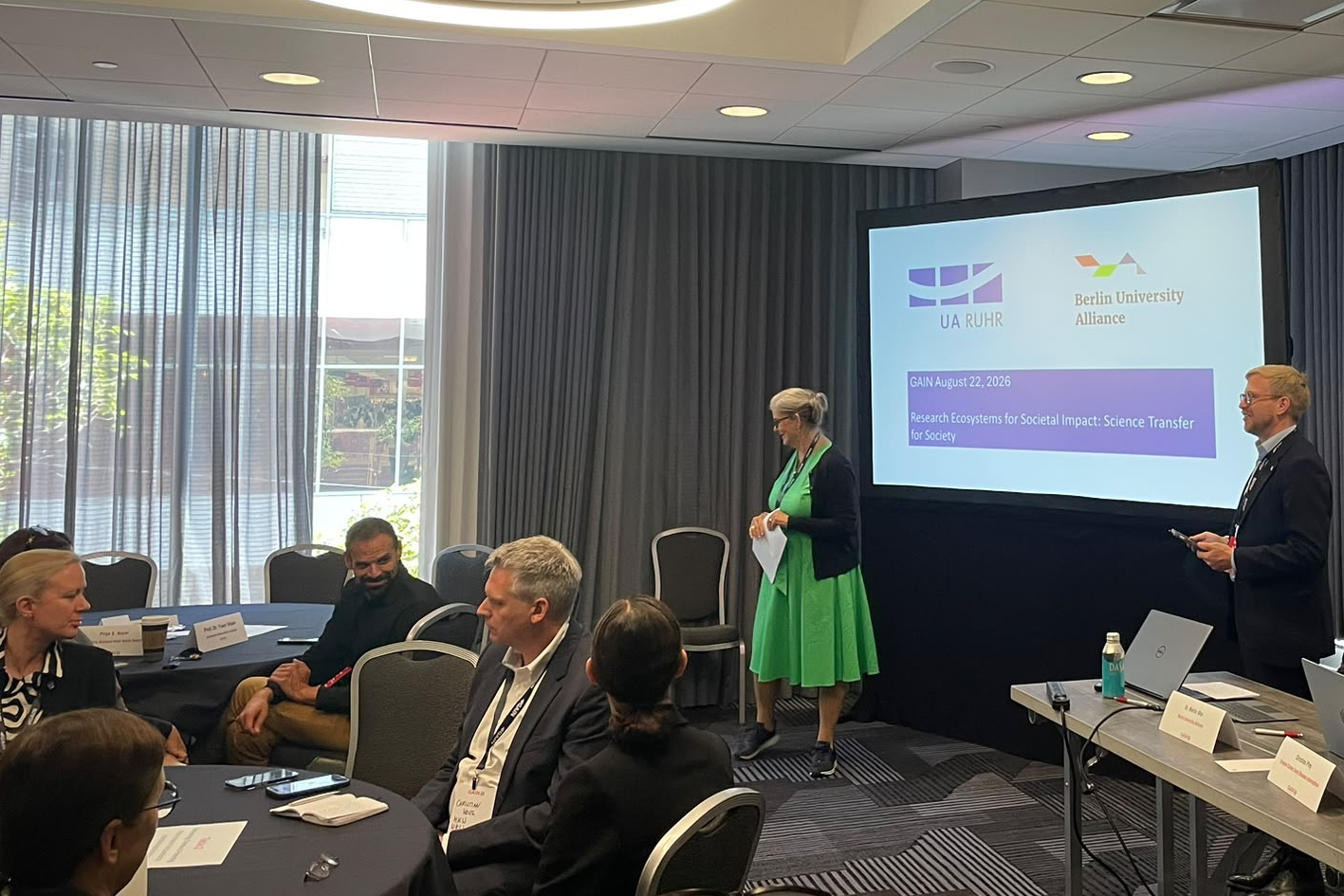
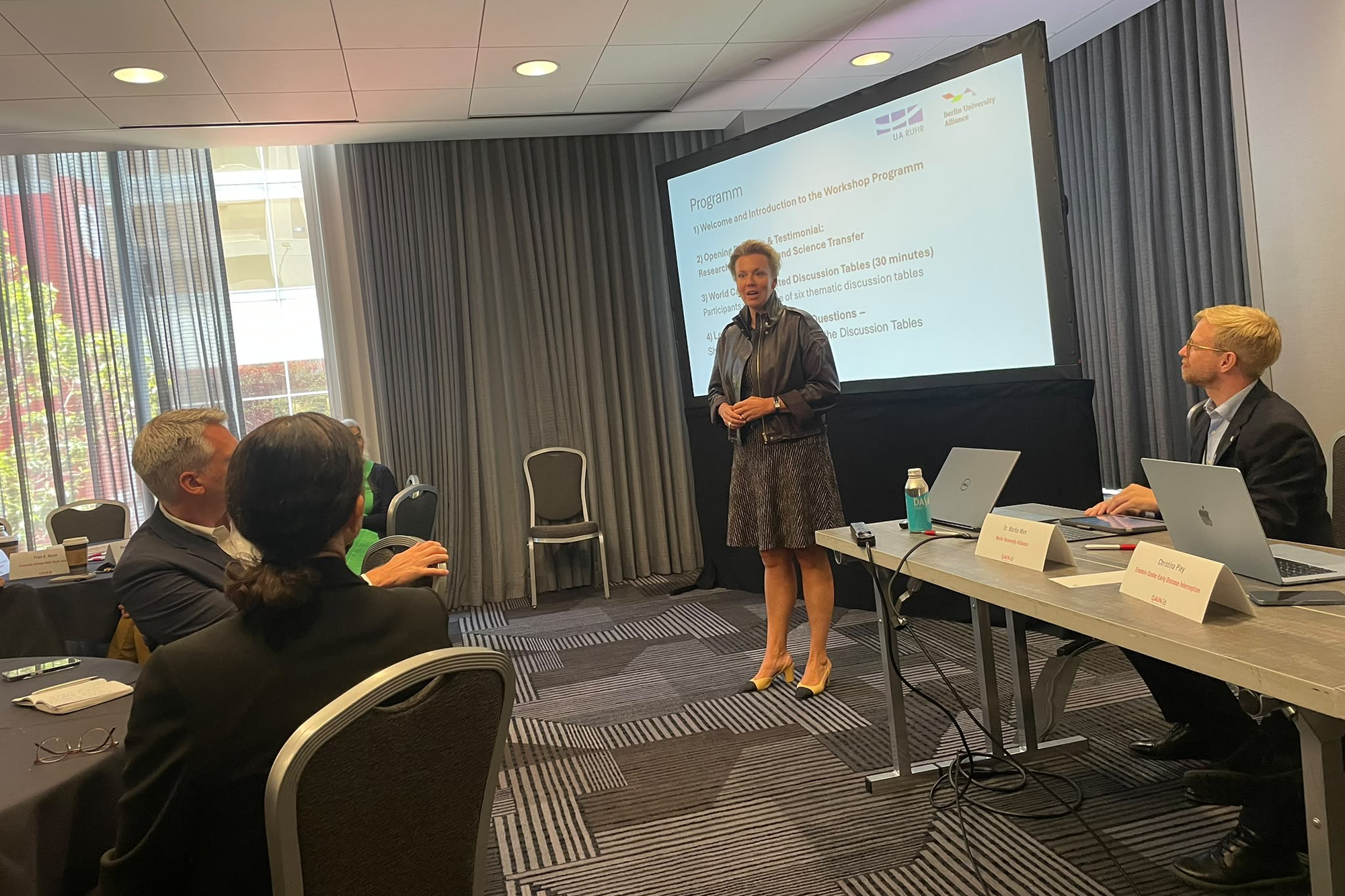
To kick off the joint workshop “Research Ecosystems for Societal Impact” organized by University Alliance Ruhr and Berlin University Alliance, Dr. Martin Mann, Managing Director of BUA, and Dr. Nina Lemmens, Managing Director of University Alliance Ruhr, provided insight into the two research ecosystems and their different approaches to translating scientific findings into societal impact
„A stated goal of Berlin University Alliance is to make the value that science adds to society visible and accessible. We are shaping Berlin as a hub for research and innovation, thereby creating the conditions necessary for scientific findings to have a societal impact. We are even stronger when we learn from one another and grow together. That is why Berlin University Alliance and University Alliance Ruhr, together with numerous guests, explored how science can make an impact."
Dr. Martin Mann, Managing Director of Berlin University Alliance
Science Transfer: More Than Just Technology
Christina Pley demonstrated that science transfer has long since gone beyond traditional forms of technology transfer, using the transfer practices of the Einstein Center for Early Disease Interception as an example.
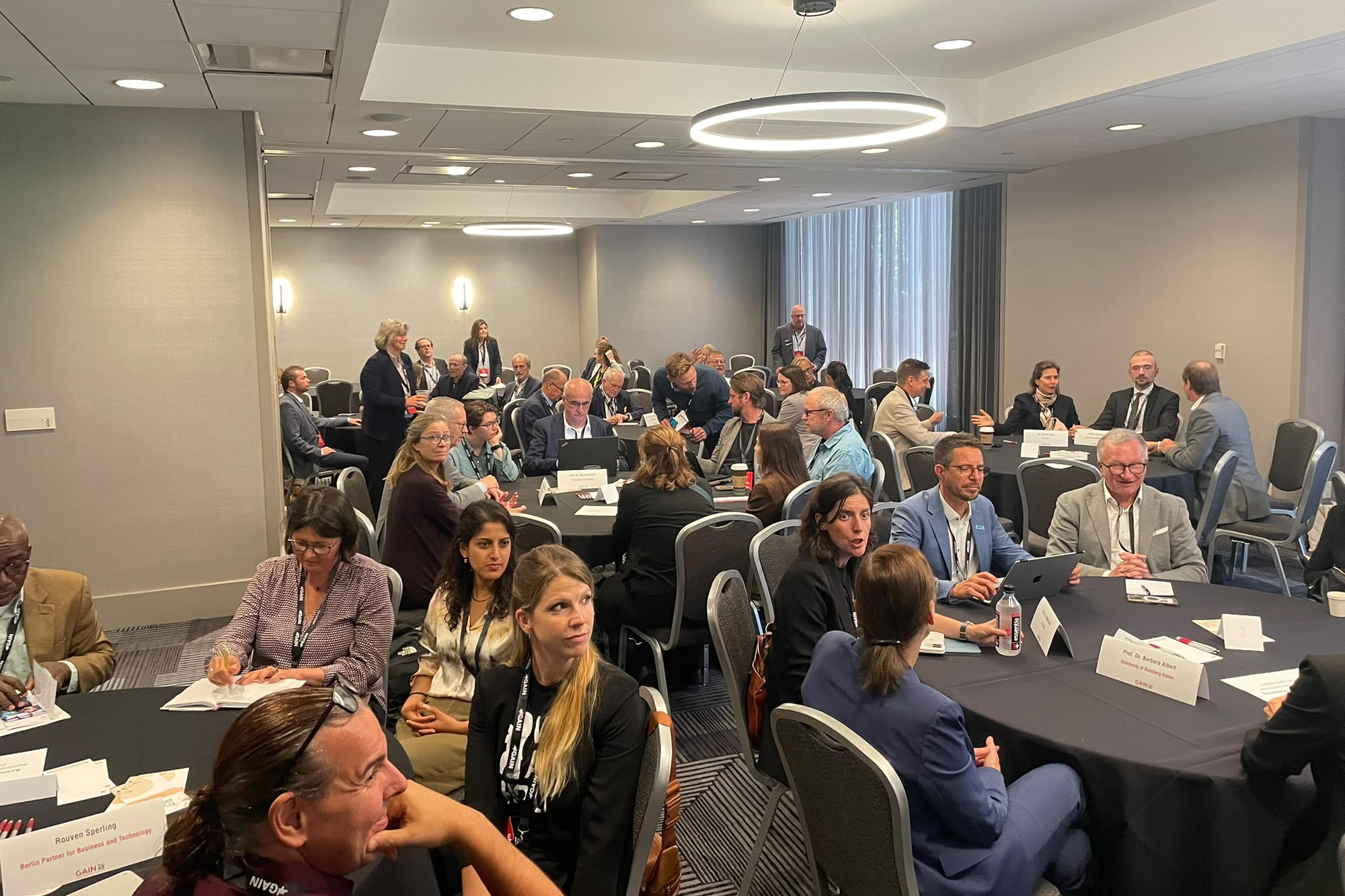
The 75-minute workshop centered on a World Café. Participants could choose from six topic areas and discuss them with representatives from academia, politics, technology transfer, and business. The topics included entrepreneurship and startups, technology transfer and patents, research in partnership with society, science communication, collaborations between academia and industry, and the transfer between art, science, and technology.
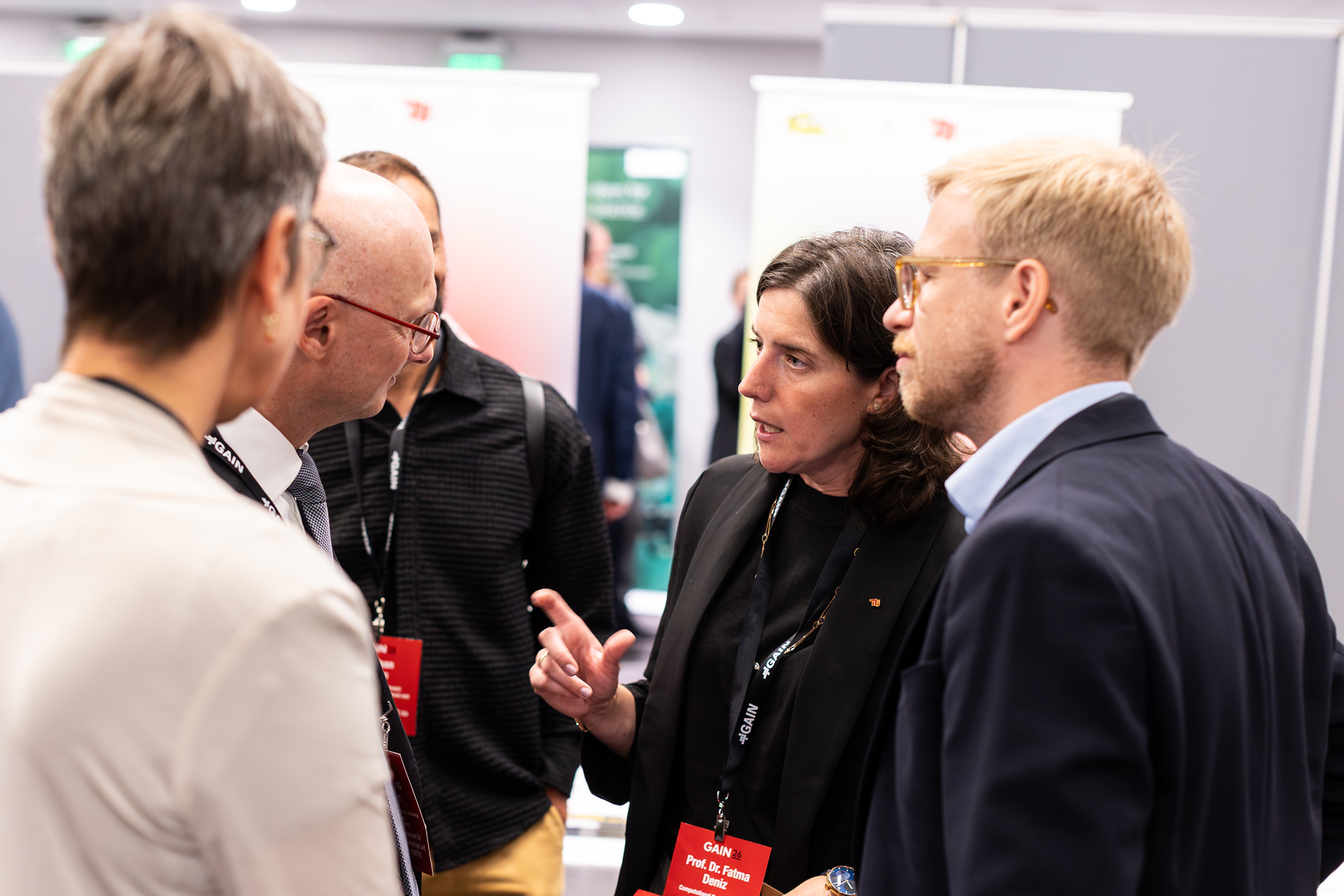
Prof. Fatma Deniz, President of Technische Universität Berlin, emphasized the central importance of technology transfer—from translating research findings into concrete applications all the way to patenting. Berlin is one of the most important hubs for the startup scene in Germany and Europe. The Excellence Alliance also opens up new perspectives for the capital both nationally and internationally and creates a dynamic environment for entrepreneurs and sciencepreneurs. The growing importance of innovation—particularly in the context of startup spin-offs and the associated patent activities—underscores the role of technology transfer as a key building block for the competitiveness of the German and global economies.
Focus on Science Communication
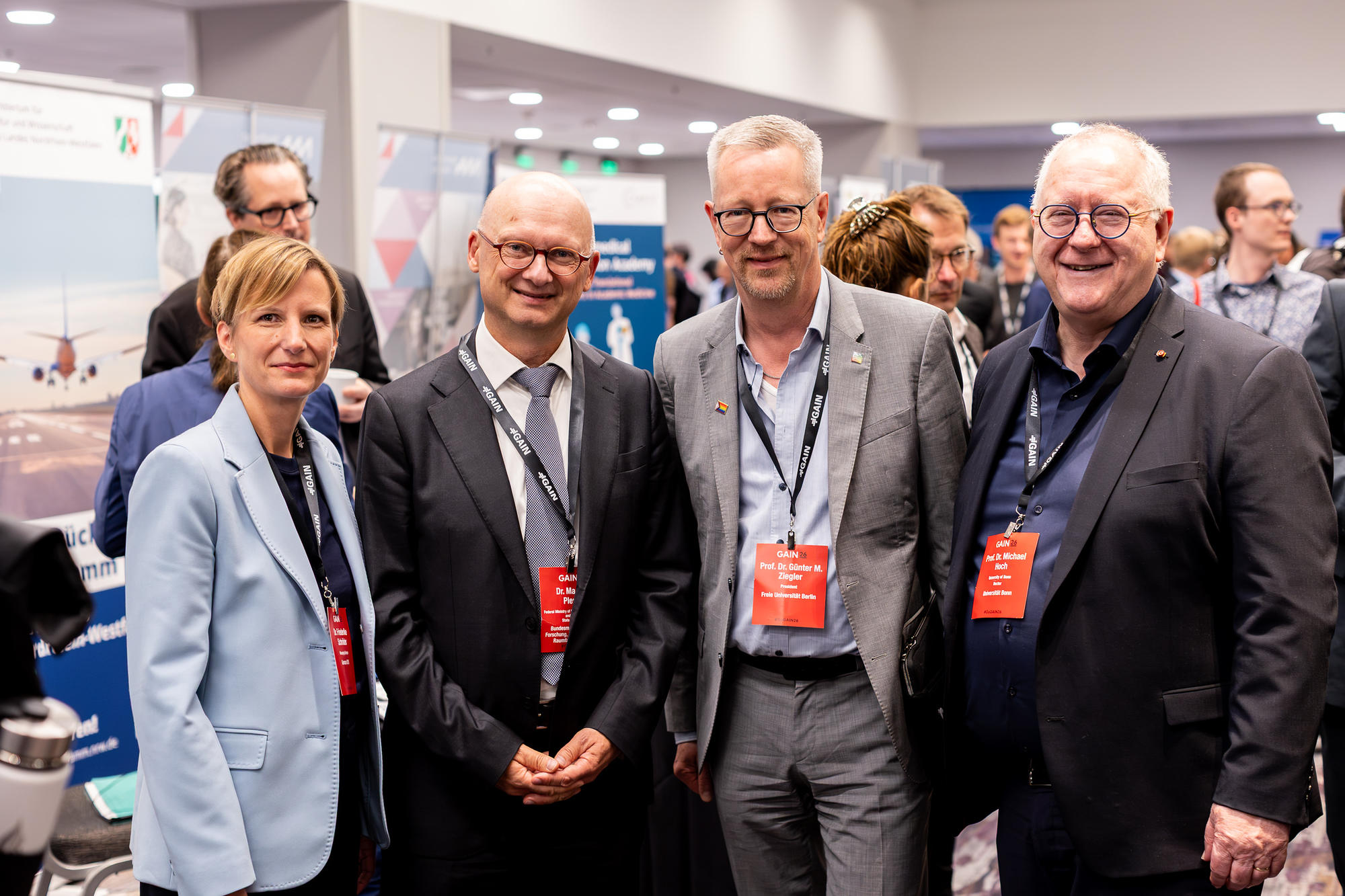
However, the discussions also revealed how diverse the approach to science communication must be today. Focusing solely on technology transfer is not enough to ensure sustainability. One focus was therefore on science communication. The “Science Communication” session was curated and led by Prof. Dr. Günter M. Ziegler, President of Freie Universität Berlin and winner of the 2008 Communicator Award of Deutsche Forschungsgemeinschaft (German Research Foundation), together with Prof. Dr. Manfred Bayer and Alexander Moritz.
It became clear that science communication has long been more than just the dissemination of research findings. It plays a crucial role in strengthening the visibility and relevance of science in society and in bringing scientifically sound insights into a public discourse increasingly shaped by disinformation and post-factual narratives. Science communication is thus gaining in importance, especially in light of the pressure democratic structures are facing worldwide. Its mission is to make knowledge accessible and understandable, to provide guidance, and to highlight the societal value of research.
The Senate Department for Higher Education and Research, Health and Long-Term Care of the State of Berlin curated the topic of “citizen science” and, with it, the societal impact that does not arise through a single channel of transfer. It can result from a startup or a patent, but just as easily from policy advice, public debates, collaborative research with citizens, or the integration of science with art and technology.
GAIN as an exchange accelerator
Above all, the workshop highlighted one key point: Successful science transfer requires open ecosystems, diverse partners, and spaces for exchange. For internationally mobile researchers and scientists in the early and mid-stages of their careers, the event also offered concrete insights into how they can connect their research in Germany with innovation and transfer structures.
The atmosphere at GAIN this year was once again characterized by a mix of focused professional exchange, openness, and personal interaction. Between workshops, panels, and the Talent Fair, the discussion repeatedly centered on specific questions: What opportunities does Germany offer as a hub for science? How can research, career development, and knowledge transfer be combined? And which connections can pave the way from an initial conversation to concrete collaboration? It is precisely this direct, low-threshold form of exchange that makes GAIN an important interface for international researchers and the German research landscape.